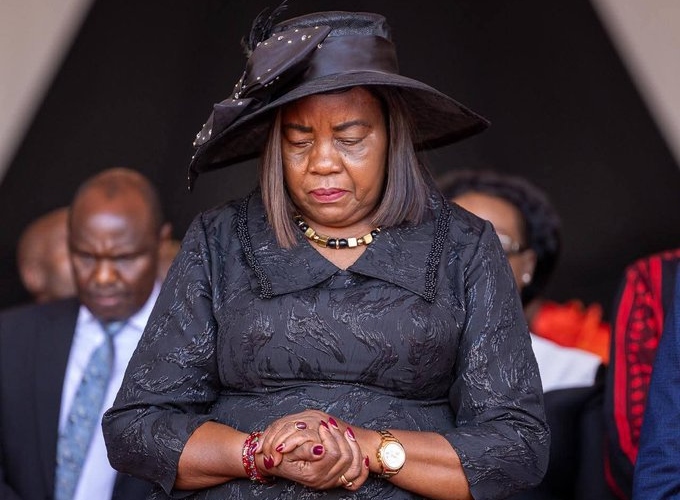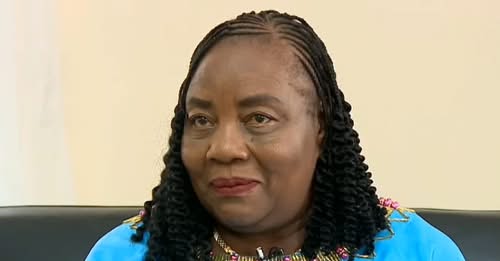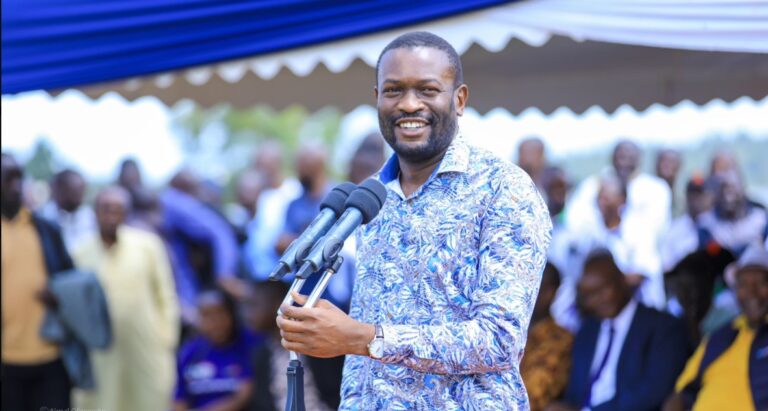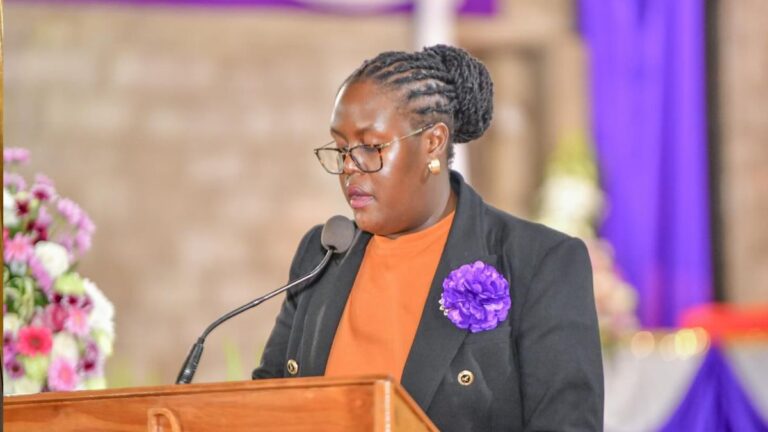
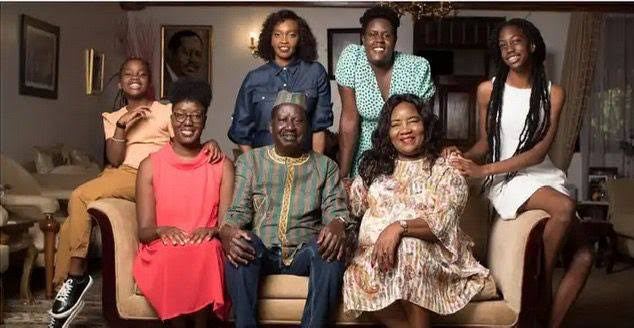
Mama Ida Odinga has opened up about one of the most difficult periods of her marriage to the late former Prime Minister Raila Odinga, recalling the challenges of raising their three young children while her husband was in detention.
Speaking in an interview with a local radio station on Wednesday, October 14, 2026, Ida described the period as an exceptionally difficult chapter for their family, saying Raila’s absence affected their finances, daily routines and the upbringing of their children.
Ida Recalls Life Without Raila at Home
According to Ida, the family faced significant challenges during Raila’s six-and-a-half-year confinement, as she took on the responsibility of caring for their children while supporting her husband through his detention.
At the time, their children were still very young and depended on both parents for care and guidance.
Their firstborn, Fidel Odinga, was nine years old, Rosemary Odinga had just turned five, while their youngest, Raila Junior, was only three.
With Raila away from home, Ida had to navigate the demands of motherhood while dealing with the emotional and practical consequences of his detention.
Raising Three Young Children During a Difficult Political Period
Ida’s account highlights the impact political detention can have on families beyond the individual held in custody.
While Raila’s political struggles became part of Kenya’s national history, his family also had to cope with the uncertainty and disruption that came with his absence.
Ida’s responsibility extended beyond raising the children. She also had to maintain family stability during a period when her husband’s political future and freedom remained uncertain.
Her recollections offer a glimpse into the personal sacrifices made by families of political detainees during Kenya’s struggle for multiparty democracy.
A Personal Side of Raila Odinga’s Legacy
Raila spent years in detention during the administration of former President Daniel arap Moi, becoming one of the prominent figures associated with the struggle for democratic reforms in Kenya.
His political journey is often remembered through rallies, electoral contests and his role in national leadership. Ida’s account, however, draws attention to the family experiences that unfolded away from the public spotlight.
Her recollections also highlight the role she played in keeping the family together during a period that tested their resilience.
For the Odinga family, those years were not only part of Kenya’s political history but also a deeply personal chapter marked by separation, responsibility and uncertainty.