
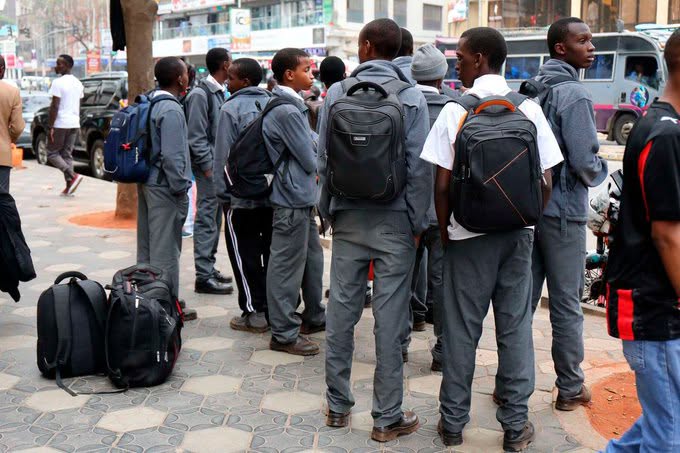
As schools close for the long end-of-year holiday, thousands of Kenyan children are preparing to spend weeks away from classrooms. For parents, the break presents an important question: how do you keep children safe, happy and productive without turning the holiday into another school term?
The holiday, which can last around 70 days for some learners, offers children an opportunity to rest, explore their interests and spend time with family. However, it also places greater responsibility on parents and guardians, especially those who must continue working while their children remain at home.
According to Kenya’s 2026 school calendar, the third term ends on October 23, with the holiday running until January 1, 2027. Some learners will also sit national assessments and examinations during the early part of the break.
With children spending more time at home, on the streets and online, parents need to plan for both their safety and wellbeing.
1. Make child safety the first priority
One of the biggest challenges during school holidays is ensuring children are properly supervised.
Parents who work long hours should establish clear arrangements for who will look after their children during the day. Where possible, a trusted relative, guardian or responsible caregiver should be available to provide supervision.
Children should know whom to contact in an emergency, where they are allowed to go and what time they are expected home.
Parents should also caution children against accepting lifts, gifts or invitations from strangers without permission. Children need to understand that they can say no to uncomfortable situations and report anything that makes them feel unsafe.
For younger children, leaving them alone for extended periods can expose them to avoidable risks. Older children also need guidance, clear boundaries and regular check-ins.
Parents should make it clear that a child who reports a troubling experience will be listened to rather than automatically blamed or punished.
2. Protect children from online dangers
Smartphones, tablets, gaming platforms and social media can keep children entertained during the holiday, but unsupervised internet use can expose them to inappropriate content, cyberbullying, online grooming and exploitation.
Parents do not need to ban technology completely. Instead, they should teach children how to use it responsibly.
Practical steps include:
- Set age-appropriate screen-time limits and agree on when devices should be put away.
- Use parental controls and age-appropriate content settings.
- Know which applications children use and, where appropriate, who they communicate with online.
- Teach children never to share their home address, school details, passwords or private photographs with strangers.
- Explain that people online may not be who they claim to be.
- Encourage children to report threatening messages, requests for private images or uncomfortable online conversations.
Parents should also create a home environment where children can raise concerns without fear of losing their phones or being blamed.
The Kenya Film Classification Board has been promoting digital parenting and child online safety through its Parents Digital Literacy programme. Parents can also consult the Communications Authority of Kenya’s Child Online Protection resources for further guidance.
3. Keep children busy without making the holiday expensive
A meaningful holiday does not have to involve expensive trips, paid camps or constant entertainment.
Parents can help children discover new interests using resources already available at home or within their communities.
Affordable activities include reading library books, drawing, painting, gardening, playing football, learning music, cooking with an adult, doing puzzles and playing board games.
Children can also help with age-appropriate household tasks, such as arranging their rooms, watering plants, folding clothes and preparing simple meals under supervision.
These activities encourage responsibility, creativity and independence while allowing children to enjoy their break.
However, household responsibilities should remain age-appropriate. Children should not be burdened with dangerous work, excessive labour or responsibilities that prevent them from resting and playing.
4. Maintain a routine, but allow children to rest
After months of schoolwork, examinations and early mornings, children need time to recover.
Parents should avoid turning the entire holiday into a strict academic timetable. At the same time, allowing children to sleep throughout the day, stay awake all night and spend hours on screens can disrupt their wellbeing.
A simple routine can help maintain balance.
Children should have reasonably consistent sleeping and waking times, regular meals, time for outdoor activities, some reading and enough free time to play.
The routine should be flexible enough to accommodate family visits, special events and spontaneous activities.
Most importantly, parents should involve children in planning their daily activities. Giving them a voice helps them feel responsible for their time rather than feeling that the holiday is simply another set of rules imposed on them.
5. Continue learning outside the classroom
A school holiday does not mean children must stop learning. However, learning can take place through everyday experiences rather than hours of compulsory tuition.
Parents can encourage younger children to read stories, write short paragraphs, practise spelling or count objects around the house.
Older learners can explore practical skills such as budgeting, cooking, computer literacy, gardening and basic financial management.
For example, taking a child shopping can become a lesson in comparing prices, calculating change and making decisions within a budget.
Parents should also review school reports and assignments to identify areas where their children may need support.
Learners preparing to transition to a new school level can benefit from light revision and conversations about what to expect. The aim should be to build confidence and curiosity, not to recreate the pressure of a school day.
6. Talk to your children about drugs, alcohol and peer pressure
Long holidays may mean children spend more time with friends and explore places or activities without the usual school-day supervision.
Parents should have age-appropriate conversations about drugs, alcohol, gambling, unsafe challenges and pressure from peers.
Rather than relying only on warnings, explain the consequences of risky behaviour and help children practise how to refuse invitations that make them uncomfortable.
Know where your children are going, who they will be with and when they are expected back. Encourage them to seek your help if a gathering becomes unsafe or someone pressures them into doing something harmful.
Teenagers, in particular, need a balance of independence, trust and accountability.
Parents should also be alert to sudden changes in behaviour, unexplained fear, withdrawal from family activities or a loss of interest in things a child previously enjoyed. Such changes do not automatically mean a child is in danger, but they may be a reason to start a supportive conversation.
7. Prioritise swimming and road safety
Holiday outings can create wonderful memories, but water bodies, swimming pools, roads and unfamiliar environments require special care.
Children should never be left unsupervised near swimming pools, rivers, dams or other open water. Young children need close, active supervision around water, even where it appears shallow.
Parents should use designated swimming facilities with appropriate safety measures and ensure children understand basic water-safety rules.
On roads, teach children to use safe crossing points, look both ways, avoid playing near moving vehicles and remain alert when walking in busy areas.
When travelling, ensure children use appropriate seat belts or child restraints where applicable. Motorcyclists should provide properly fitted helmets for children and never overload a motorcycle.
Parents should also verify that any organised holiday activity has responsible supervisors and appropriate safety arrangements.
8. Protect children’s mental and emotional wellbeing
Not every child experiences the holiday in the same way. Some may be excited to spend time at home, while others may miss friends, feel lonely or worry about moving to a new school.
Parents should make time to listen to their children, ask how they are feeling and take their concerns seriously.
Family activities such as cooking together, sharing meals, playing games, visiting relatives or taking a walk can strengthen relationships without requiring much money.
Children should not be compared constantly with siblings or pressured to spend every day achieving something measurable.
Rest, play and social connection are important parts of childhood. A child who spends a quiet afternoon reading, playing with friends or talking to a parent is not necessarily wasting time.
If a child appears persistently distressed, withdrawn or frightened, parents should seek appropriate professional support.
9. Teach children practical life skills
The long break can provide opportunities to teach skills that are difficult to practise during a busy school term.
Depending on their age, children can learn personal hygiene, basic first aid, safe food preparation, time management, saving money and caring for their belongings.
Parents can also teach children how to respond when separated from family in a public place, memorise an emergency contact number and identify trusted adults they can approach for help.
These lessons should be taught patiently and through practice rather than fear.
Children should also understand that being responsible does not mean keeping secrets about abuse, threats or inappropriate behaviour by an adult or another child.
10. What working parents can do when money is tight
For many Kenyan households, paying for holiday camps, private childcare and frequent outings is simply not affordable.
Parents should not feel that providing a good holiday requires spending large amounts of money.
A weekly plan can include free or low-cost activities such as reading, household games, supervised outdoor play, gardening, family storytelling and visits to trusted relatives.
Where childcare is necessary, families can explore arrangements with trusted relatives or other responsible adults. Responsibilities should be agreed upon clearly, including supervision times, emergency contacts and the activities children may participate in.
Parents should also avoid sending children into dangerous work or making them responsible for earning money to support the household at the expense of their safety, education and rest.
For families facing child protection concerns, Kenya’s National Child Helpline is available free of charge around the clock on 116. WhatsApp support is available on 0722 116 116, according to the Department of Children Services.
The bigger lesson: Children need guidance, not just supervision
The 70-day holiday should not be viewed merely as a period parents must survive until schools reopen. It is an opportunity to strengthen family relationships, help children discover their interests and teach lessons that go beyond the classroom.
Children need boundaries, but they also need freedom to play. They need guidance, but they must also feel comfortable asking questions. They need learning opportunities, but they deserve rest after a demanding school year.
Parents do not have to fill every hour with activities or spend money they do not have. What matters is creating a safe environment, maintaining open communication and giving children a reasonable balance of rest, recreation, learning and responsibility.
